Make the handover clear
An emergency audio system needs a defined relationship between the fire panel, announcement sources, zone routing and amplifiers. Everyday use must sit within that engineered design, with clear priorities, supervision and acceptance tests.
How the system fits together
Input · fire-system requests
The building’s fire system provides the configured interface request. MIC supports the authorised paging workflow and DVA holds the selected announcement material.
Core · supervision and routing
FSM supervises network amplifiers and coordinates the configured fire-system interface. DVA and DSP provide their assigned announcement and audio-routing roles.
Output · the required zones
NAM and NAM-HP provide the specified amplification and listening paths. The project defines zone coverage, fault response, power and network arrangements.
In practice
Routine communication
Use configured announcements and live pages for normal operation. Agree their priorities and how they yield when the evacuation workflow takes control.
An evacuation request
The fire-system interface initiates the configured workflow for the required destinations. Prove message selection, zone routing and operator actions during the project’s acceptance tests.
A fault and recovery
Review the reported amplifier or interface fault, follow the agreed response procedure and verify restoration. Use LOG for configured audio recordings and the relevant product logs for operational events.
Listening support and visual information
Include Auracast where specified and hearing loops alongside it as part of the accessible communication design. Their role in an emergency and the required coverage must be agreed and tested within the overall project.
Keep the operation visible
FSM provides supervision and fault visibility; LOG records configured pages and announcements. Define monitoring responsibilities, event retention and the response to faults alongside the fire-system operating procedure.
Start with the site and its requirements
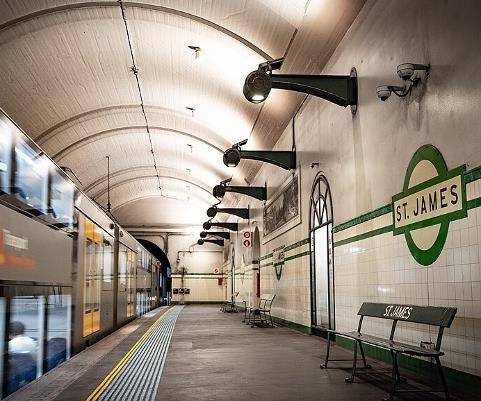
Australian evacuation work is designed around AS 1670.4. Smart pi FSM is built to EN 54-16 and also covers EN 50849 and AS 1670.4; product capability is not a substitute for the installation’s engineering and acceptance. Sydney Trains uses AS 1670.4.
Plan the system around your place
Talk to us about the people, destinations and operating workflows your system needs to serve. We can help you map the Smart pi products to the project.