Keep the journey understandable
Passengers need the same clear information on the platform, on the screen and when they ask for help. Timetable changes and disruptions must reach the right places without making each location manage its own data source.
How the system fits together
Input · service information
RTA prepares timetable and realtime feeds. MIC provides live paging; a help point can start a configured information call.
Core · the right message
DVA-GTFS applies announcement rules to service information. DVA manages announcement playback, EYE presents visual information, and DSP routes audio to the required zones.
Output · hear, see and ask
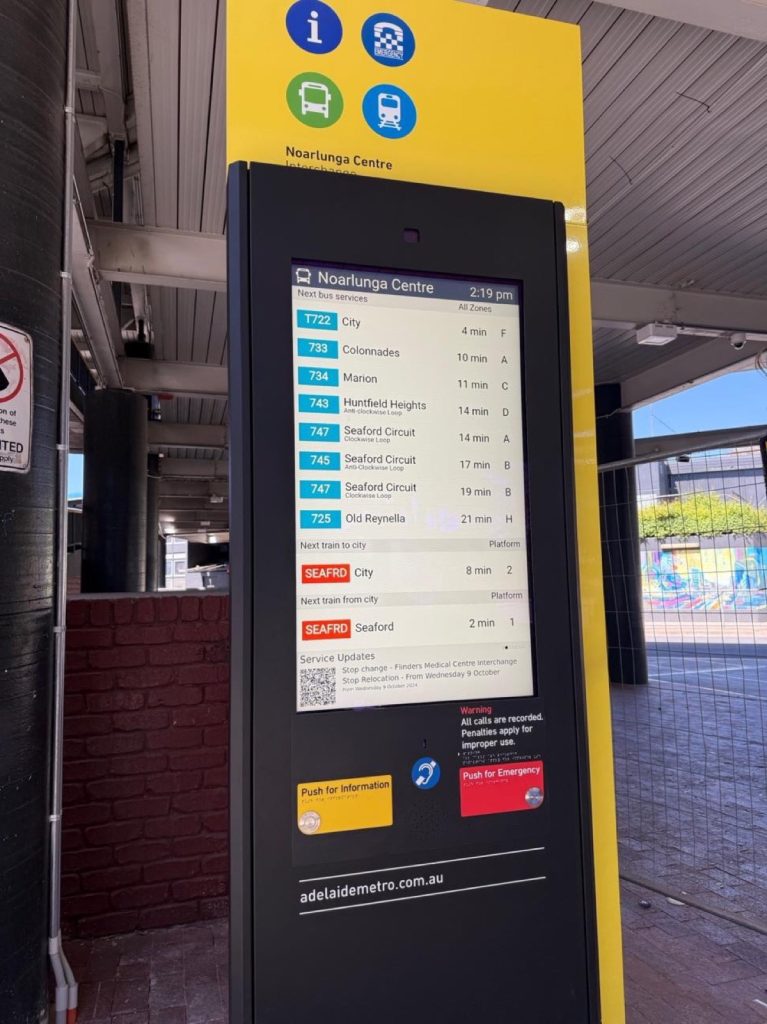
NAM amplifiers deliver audio near the speakers. NAM-HP supports hearing-loop applications, EYE drives passenger information screens, and HLP provides a help or information point where required.
In practice
A changed service
Prepare the updated feed in RTA, display the service change through EYE and use DVA-GTFS rules to trigger the relevant announcement. Commission the spoken and visual information against the same source.
A live platform page
An operator selects the required zones on MIC. DSP routes the page to the configured NAM outputs, so a local message can reach its intended listening area.
An information request
At an installation with HLP, a configured call can pass stop and DVA-channel information to DVA-GTFS for service announcements. The stop and channel mapping is configured for the installation.
Listening support and visual information
Lead with Auracast where it is specified, with hearing loops alongside it. NAM options support accessible listening paths, while visual messages provide another way to receive service information. Select and commission the listening system for the location.
Keep the operation visible
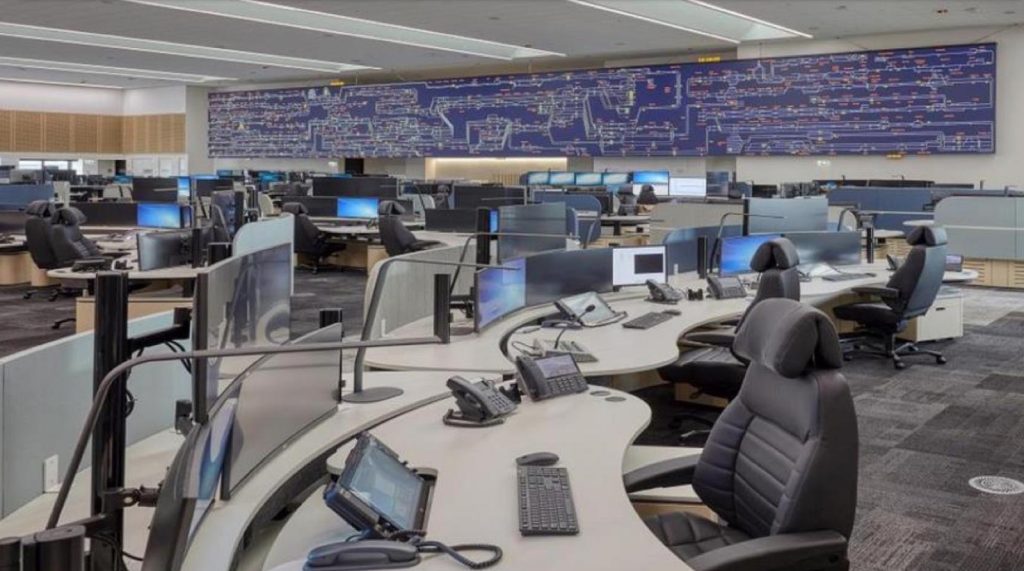
Review feed freshness, triggered announcements, endpoint state and recorded audio across the relevant products. LOG helps operators find a page or announcement by its recording and transcript.
Start with the site and its requirements
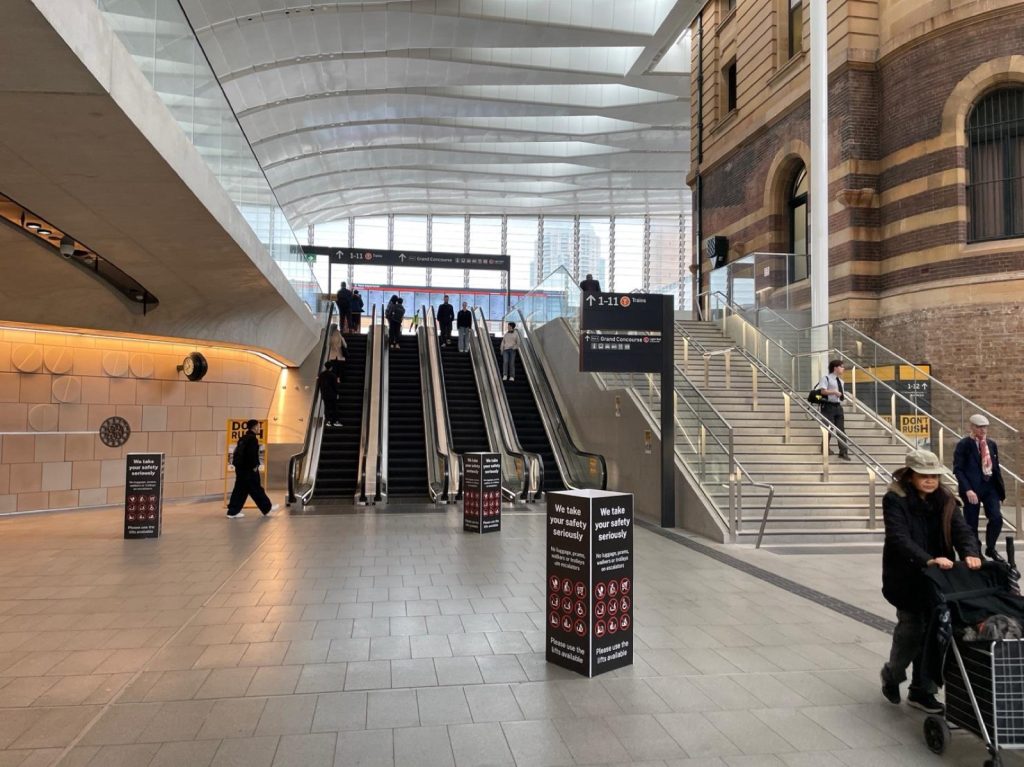
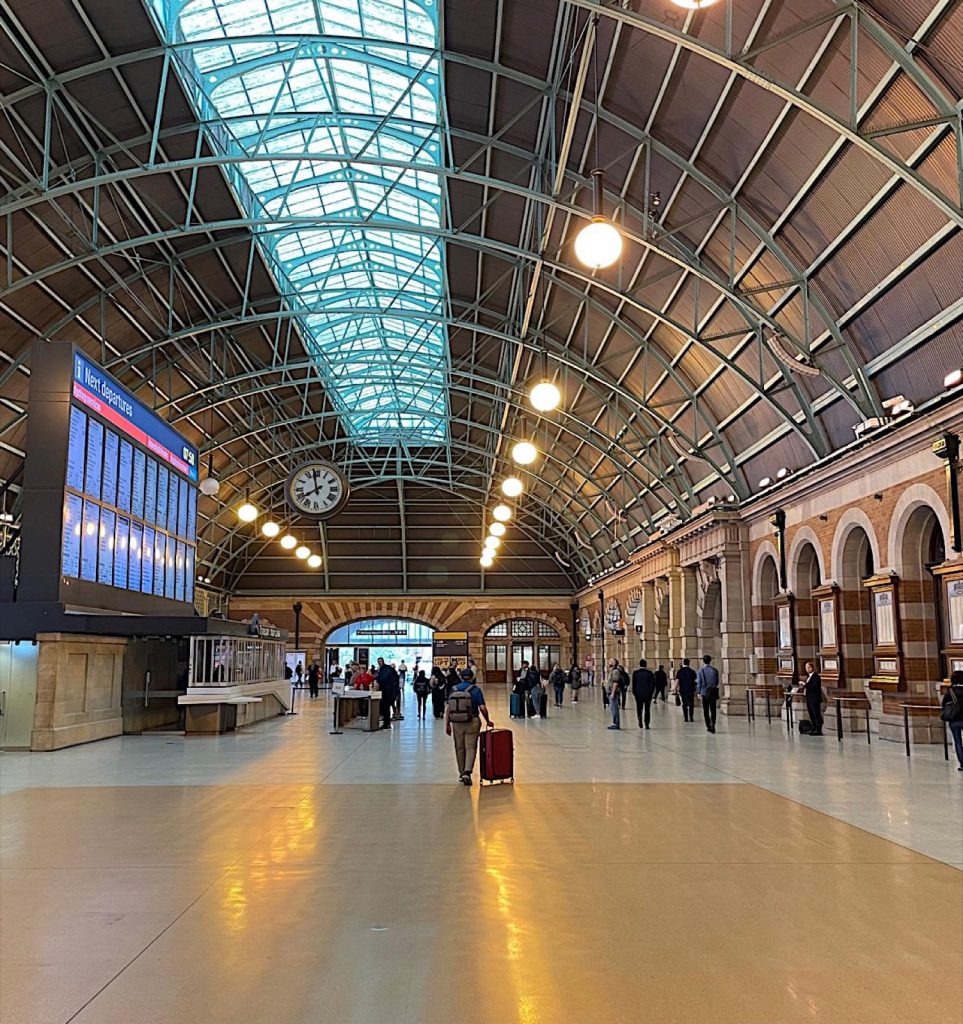
The Sydney Trains case study shows distributed Dante audio, time alignment using sample-accurate Dante delivery and NAM delay, and NAM-HP hearing loops over fibre. Explore the related projects below for examples of audio and visual information in service.
Plan the system around your place
Talk to us about the people, destinations and operating workflows your system needs to serve. We can help you map the Smart pi products to the project.